
This article will discuss the effects of CBD oil on the endocannabinoid system in the body and how to safely use CBD oil for anxiety. We will also discuss the Dosage and Interaction of CBD with the body’s endocannabinoid system. Ultimately, this article will help you find out if CBD oil can help you overcome anxiety and depression. While CBD isn’t a cure-all, it is a highly effective treatment that can help you cope with your symptoms without any negative side effects.
The recommended dosage for CBD for anxiety is ten to sixty milligrams per day, and everyone’s response to the substance is different. Start with a lower dose and increase it slowly over time to find the right dose for you. Track your CBD intake every day so that you can fine-tune your dosage. A continued dose of CBD for anxiety for a person with common anxiety ranges from 10 to 60 milligrams. For people who experience mild anxiety, it is recommended to start with a lower dose, and slowly ramp up to the desired effects.
Dosage studies should include controlled trials of CBD. One study tested 600 milligrams of CBD on healthy subjects and found that it reduced anxiety compared to a placebo. Additional trials involving various doses showed no effect on anxiety, but several others used different concentrations. Although there are many risks associated with studies that use CBD, there are promising results. For instance, in a study of patients with schizophrenia and social anxiety disorder, CBD showed anxiolytic effects after only one week.
Research has shown that CBD interacts with the endocannabinoid system within the body, which regulates numerous bodily functions. It has been found to inhibit the uptake of adenosine. The adenosine receptors, also known as cannabinoid receptors, control many bodily functions. As a result, CBD may have anti-inflammatory effects throughout the body.
Cannabinoids are endogenous, or natural, components of the human body. They bind to receptors and break down to produce a bodily response. The most common cannabinoid receptors are CB1 and CB2, which are found primarily in immune cells within the bloodstream. Phytocannabinoids can activate these receptors and elicit therapeutic responses in the body.
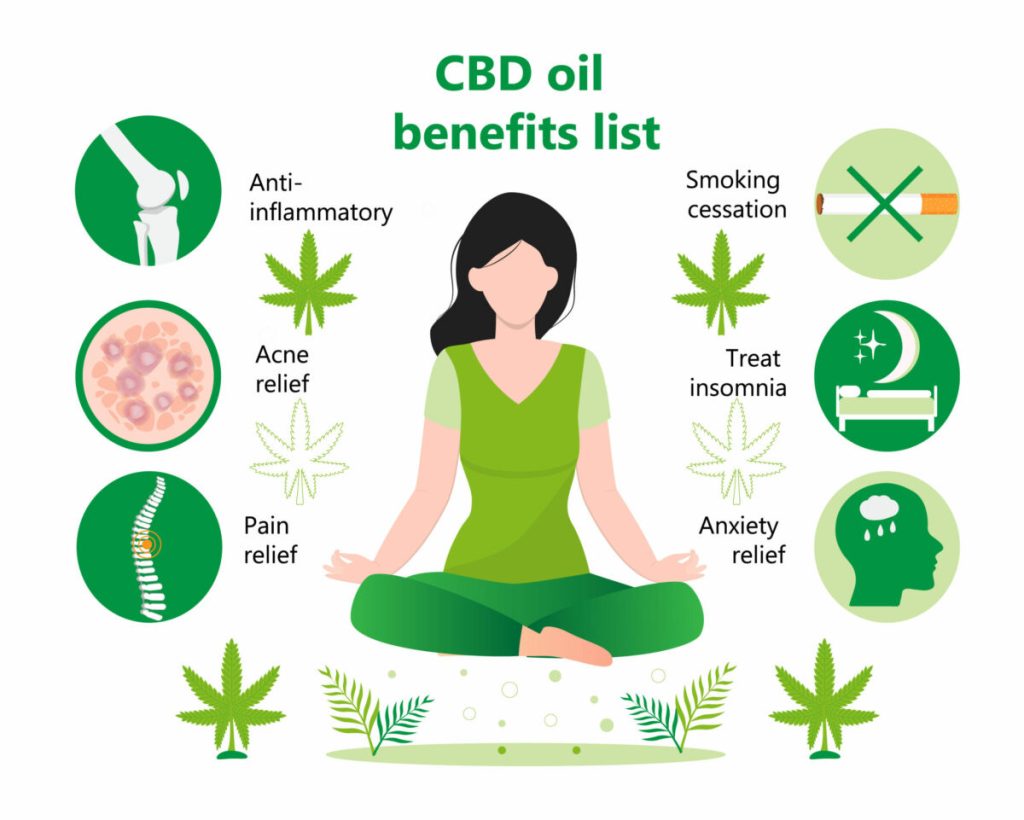
Research indicates that CBD can help treat anxiety. When used consistently, CBD oil can reduce anxiety. It can also increase sleep quality, improve metabolism, and reduce inflammation. A recent study, published in the Permanente Journal, found that 60 percent of people who take CBD for anxiety reported an improvement in sleep quality. More research is needed, but the benefits of CBD for anxiety seem to be compelling. A few key steps to take to ensure safety include talking to your doctor and getting a prescription.
The safety of CBD for anxiety has been studied in a variety of animal models, including the Vogel-conflict test and elevated T and plus maze. Several studies found conflicting results; low CBD doses were ineffective, but high CBD doses induced anxiolytic effects. Further, there were mixed results in studies examining CBD for chronic use. For example, CBD treatment had no effect on depression or anxiety in normal subjects. It tended to have a positive effect on the stria terminalis, a major output structure of the amygdaloid complex.